Brighton and Hove City Council (BHCC) has published a Scoping Consultation Paper asking residents what the new Brighton & Hove City Plan (to 2044) should focus on. Here’s our guide to responding.
Why are BHCC consulting on the City Plan again?
BHCC had already begun preparing a new City Plan and carried out a Key Issues consultation between November 2024 and January 2025, receiving over 700 responses.
However, since that consultation, the Government introduced a new plan-making system which councils must follow. This scoping consultation is part of that process and seeks views on housing, climate, economy, design, health, biodiversity, transport and infrastructure.
No final policies have yet been decided; however, national policy requires councils to set standards for open space provision, including:
- play space
- sports provision
- informal recreation
- allotments.
What’s changed? Will my previous submissions still count?
Yes. BHCC are not asking everyone to start again from scratch. All comments previously submitted during the Key Issues consultation will be considered in the Plan. This consultation is intended to refine the scope of the plan under the new rules.
The most important change is that the new City Plan must be “simpler, shorter and produced more quickly”. Many topics that used to be dealt with in local plans will also now be handled more directly through national planning policy, such as Biodiversity Net Gain requirements, some transport matters, energy efficiency standards for new buildings.
What could this mean for food?
This may actually make food and food-growing more important in the City Plan.
Because the council now has less freedom to make local rules on some nationally prescribed topics, the Plan is increasingly expected to focus on genuinely local issues. Food-growing space, allotments, food access, local centres and community health are all areas where Brighton & Hove can still justify place-specific local policy.
The scoping document specifically asks about:
- food-growing space in developments;
- allotments;
- access to healthy food;
- open-space standards;
- local infrastructure needs
What’s currently missing?
For a city internationally known for its food strategy and it’s Gold Sustainable Food Places award, there are notable gaps.
While it’s positive that BHCC explicitly recognises public support for food growing and access to healthy food and mentions a sustainable food system framework, there is no clear food infrastructure strategy, no commitments on allotment standards or targets for food growing space. Most worryingly, given the increasing concerns around climate change and food security there is little attention to food resilience and infrastructure like food distribution, storage or processing. Food is also treated as a health/open-space issue when it should also be recognised as an economic and infrastructure issue. Without action on food the city will not achieve its Net Zero and Climate and Nature Action plan priorities.
What should we ask for in the City Plan?
The City Plan should translate the commitments in the Brighton & Hove Food Strategy Action Plan 2025–2030, which was adopted by Cabinet on 23 January 2025 following extensive public and stakeholder consultation, into clear policies that guide development and planning decisions.
1. Food infrastructure
The City Plan should recognise food infrastructure as critical community infrastructure just like transport, water, schools, parks and healthcare and explictly support the provision of food hubs, community kitchens, food storage facilities, market gardens, food distribution and processing centres, community markets, local retail and food waste and composting infrastructure.
2. Food growing spaces
Planning policies should encourage developments that increase biodiversity through productive landscapes and connect food production with nature recovery.
Urban areas
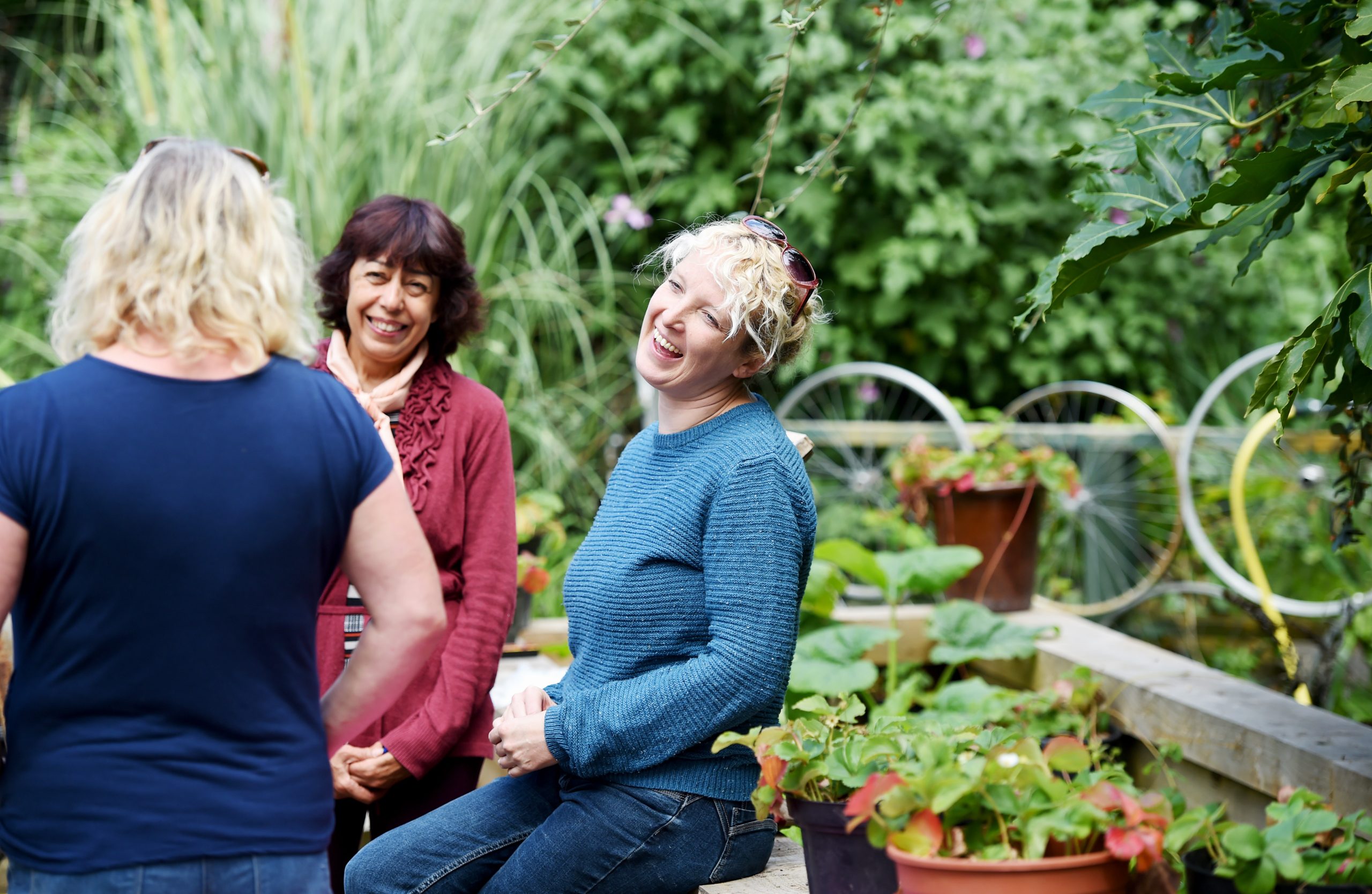
Ensure every major development includes food-growing space as mandatory, not just an aspiration.
Rather than treating food growing separately, make food growing part of the urban greening and green infrastructure requirements.
This could include, for example:
- edible landscapes
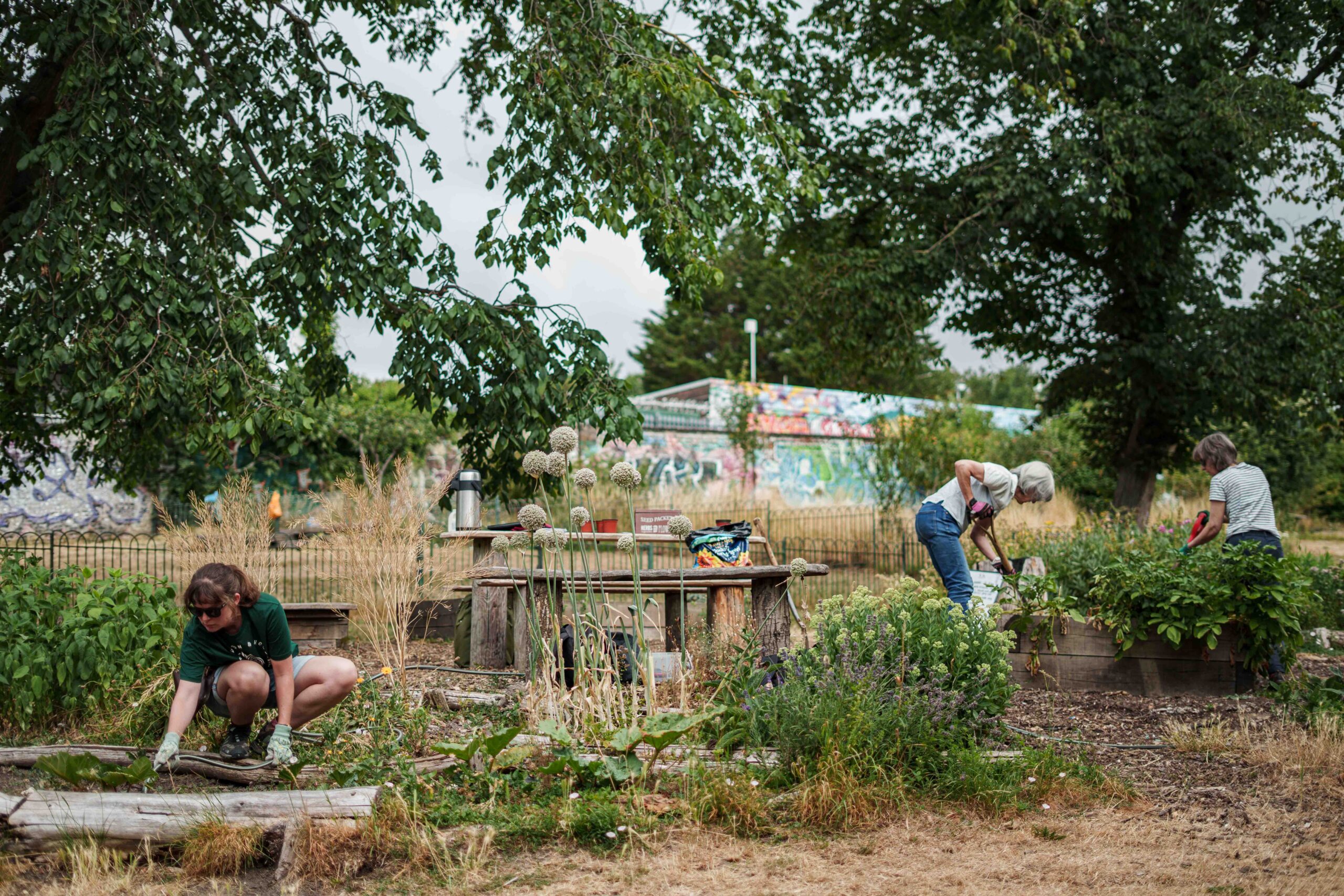
- community gardens
- fruit and nut trees
- community orchards
- raised food-growing beds;
- edible landscaping
- rooftop food-growing, where appropriate
- food growing integrated into biodiversity and greening schemes
More importantly, developments should not be signed off as complete until approved food-growing infrastructure has been delivered. Developers should also provide a management and maintenance plan for food-growing areas.
Urban fringe and Downland estate
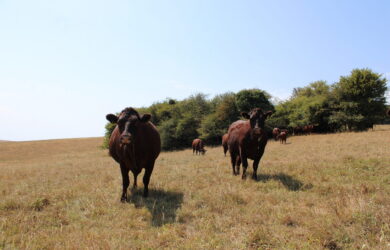
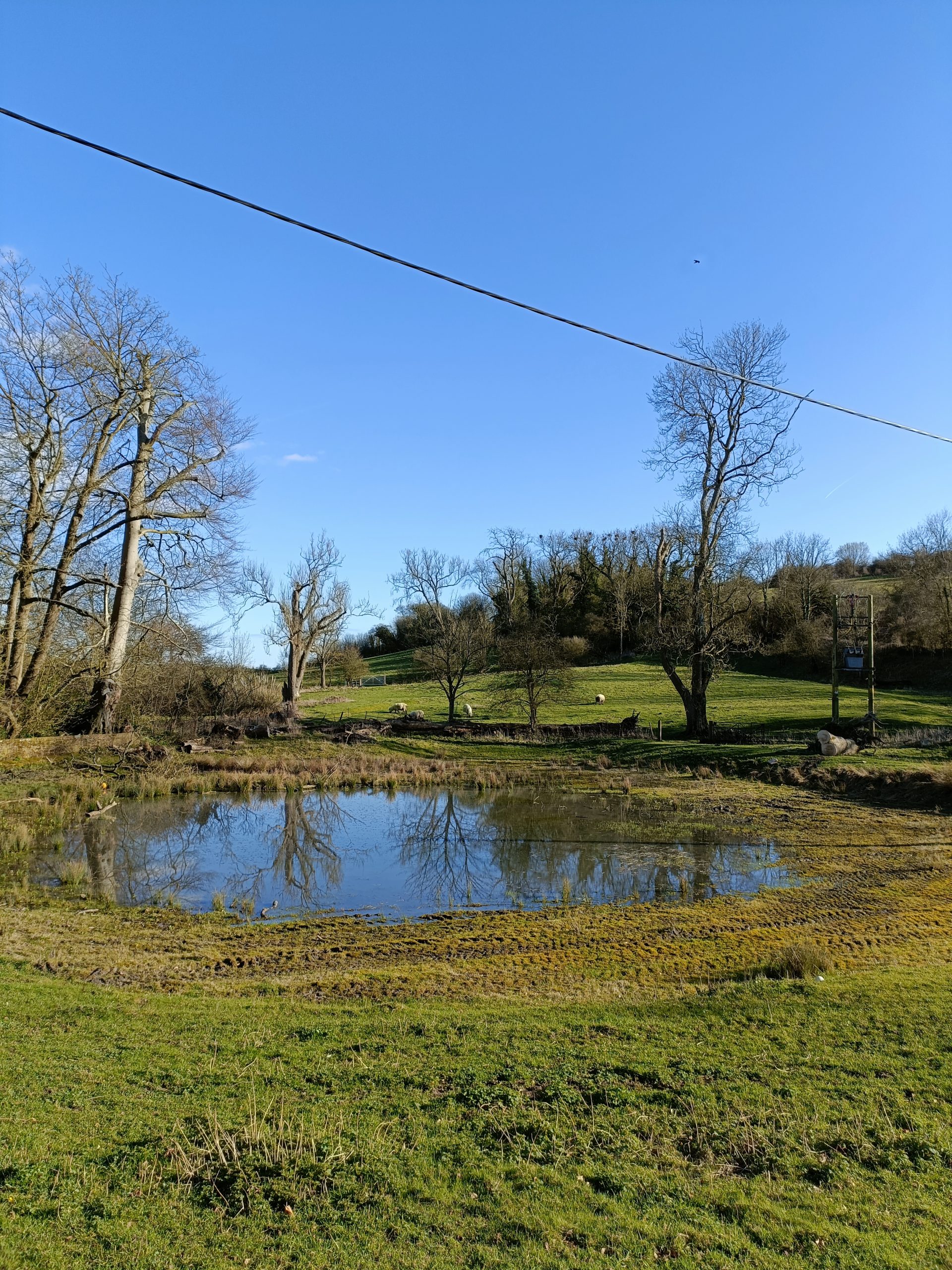
The City Downland Estate makes up ½ of the land holding of the Council. The majority is tenanted farmland, with the remainder being made up of parkland and enterprises such as golf courses. The urban fringe is the cross over between city and the Downs.
- Support increased, responsible, public access to this land
- Space should be made available for community and market gardens, especially on the urban fringe
- Tenant farms should be well supported in a transition to nature friendly farming, including making funding availble
- Space to trial innovative farming techniques identified and funded
- Citizens invited to learn about our shared farming history
4. Make Food Deserts a planning issue
All residents should be able to access affordable healthy food within a reasonable walking distance.
The city already has at least 6 neighbourhoods with food desert characteristics where residents do not have access to affordable healthy food. We want BHCC to:
- maintain a map of food deserts
- protect local food retailers
- support new healthy food outlets in underserved areas
- develop planning policies that improve walkable access to healthy food
- Use Community Infrastructure Levy as a means for investing in community food spaces
5. Develop community food spaces
In order to support community cohesion; reduce isolation, develop skills, healthy eating; food resilience; and citizen engagement, make provision for
- community kitchens
- food learning spaces
- community dining spaces
- food hubs co-located with libraries, community centres and housing developments
6. Make healthy food the easy option
Planning should support environments that make healthy food the easy option. Make planning policies that increase access to fresh food; encourage food growing; reduce barriers to healthy eating (e.g. excessive junk food and takeaways); and support local markets and food retail.
7. Food Resilience
Food resilience should form part of the city’s resilience infrastructure. Include local food storage; distribution networks; community food hubs and emergency food infrastructure in the City Plan.
8. Support circular food systems
Brighton & Hove City Council’s adopted the Circular Economy Routemap and Action Plan 2025–2035, approved by Cabinet on 22 January 2026, states:
Planning policy should enable neighbourhood level infrastructure for:
- community composting
- food waste collection
- local compost use
- circular economy initiatives such as micro-level food processing
The City Plan Consultation is open until 7th September. To make your voice heard, follow this link.