Did you know around a third of all food produced ends up in the bin?
Food Use Places intends to minimise food’s impact on our climate through the creation of a new norm – a food USE mindset.
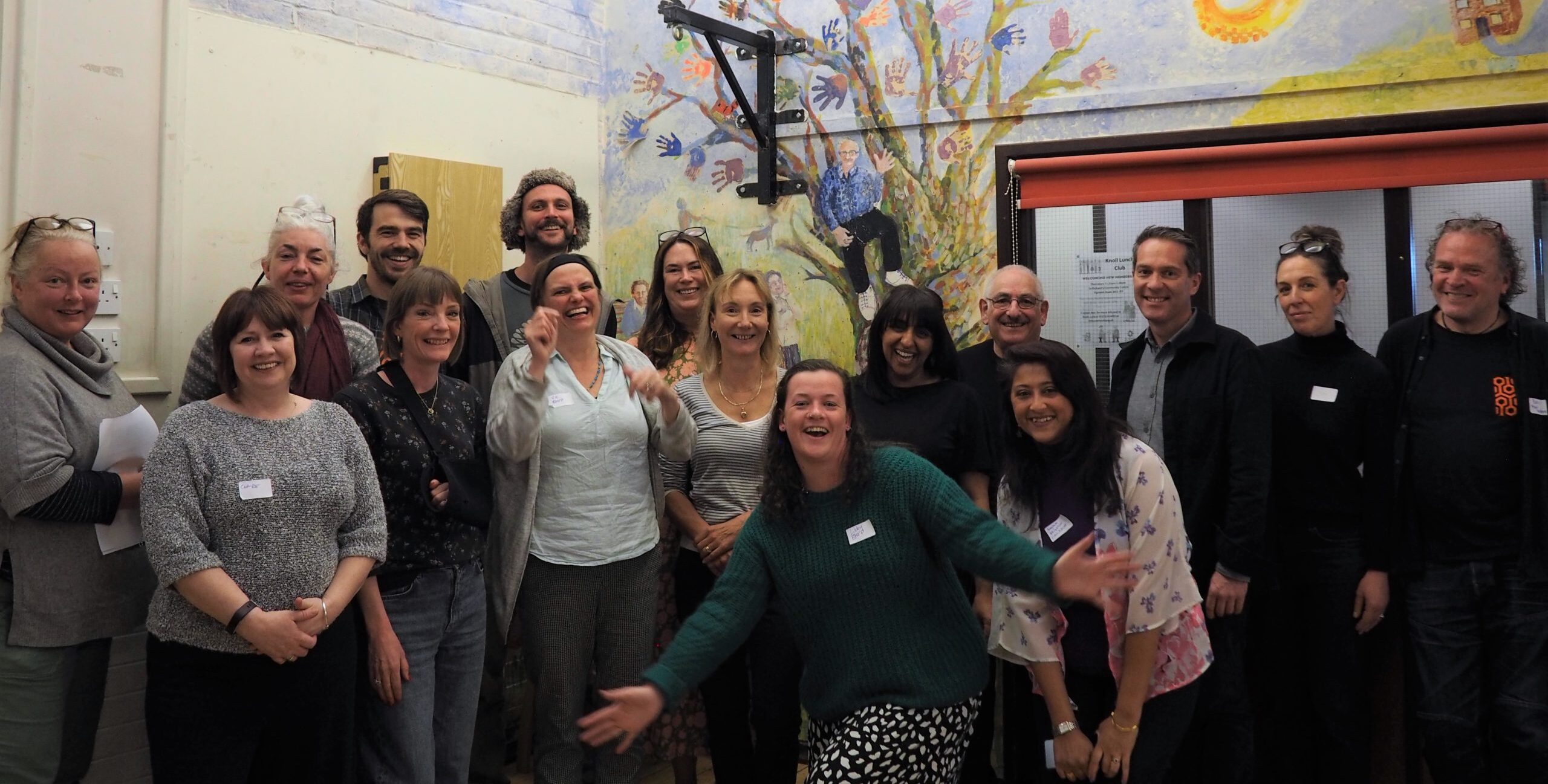
Food Use Places started in May 2024, following an 18-month pilot. We secured £1.2M in funding from the National Lottery Community Fund to deliver activities across four years. We’re a group of 18 organisations working together across Sussex to reduce food and packaging waste. We engage communities that are often left out of climate action through activities like composting, cooking, and sharing food. We help people learn new skills and take simple steps to waste less and reuse more.

A full list of the projects involved
BMECP is creating an inclusive space where Black and Minority Ethnic communities can connect, learn, and drive change together. Their workshops on waste reduction and recycling equip people with the knowledge and confidence to build more sustainable habits for the future.
Breathing Spaces, TTW is a volunteer-led group in Worthing. Working with young people at The Maybridge Keystone Centre, they will reduce food and packaging waste at the centre and in their community, while teaching participants to grow and cook outdoors.
Brighton and Hove Food Partnership are the managing partners. They are also delivering comms, outreach, evaluation and the Communities make Compost workstream.
The Community Kitchen offers cooking classes and training to upskill community groups and support low-income adults and families to increase their food use confidence.
Brighton Table Tennis Club work with Real Junk Food Project to deliver after-school clubs to inspire everyone to be a champion in both table tennis and climate positive actions, particularly through food and packaging.
East Brighton Food Co-op have cooked and delivered over 300,000 freshly made gourmet meals to anyone who would benefit over the past 4 years, made predominately from food that would otherwise gone to waste (surplus/gleaned/rescued).
FareShare Sussex & Surrey intercepts food that would otherwise go to waste from farms and food manufacturers, redistributing it to food hubs, groups, banks and charities across Sussex and Surrey. They also partner with Nurture Through Nature, to compost food that can’t be redistributed.
Sussex Surplus uses an autoclave and a dehydrator to make long-life products from surplus foods they’ve gleaned from local farms, such as their delicious spicy pumpkin soup.
Food Matters brings partners together to share learning and facilitates focus groups and workshops to build skills, knowledge and confidence to make that change happen.
Hangleton & Knoll Youth Project works in partnership with young residents, providing resources and opportunities to facilitate positive changes identified by the community, hosting cooking sessions and other projects developed alongside the kids.
Hop 50+ / Impact Initiatives is a unique and vibrant space offering social and physical activities, alongside a café for older people, to which they will be adding Food Use Confidence messaging, plus an ‘in-house recycling centre’ for common but tricky items.
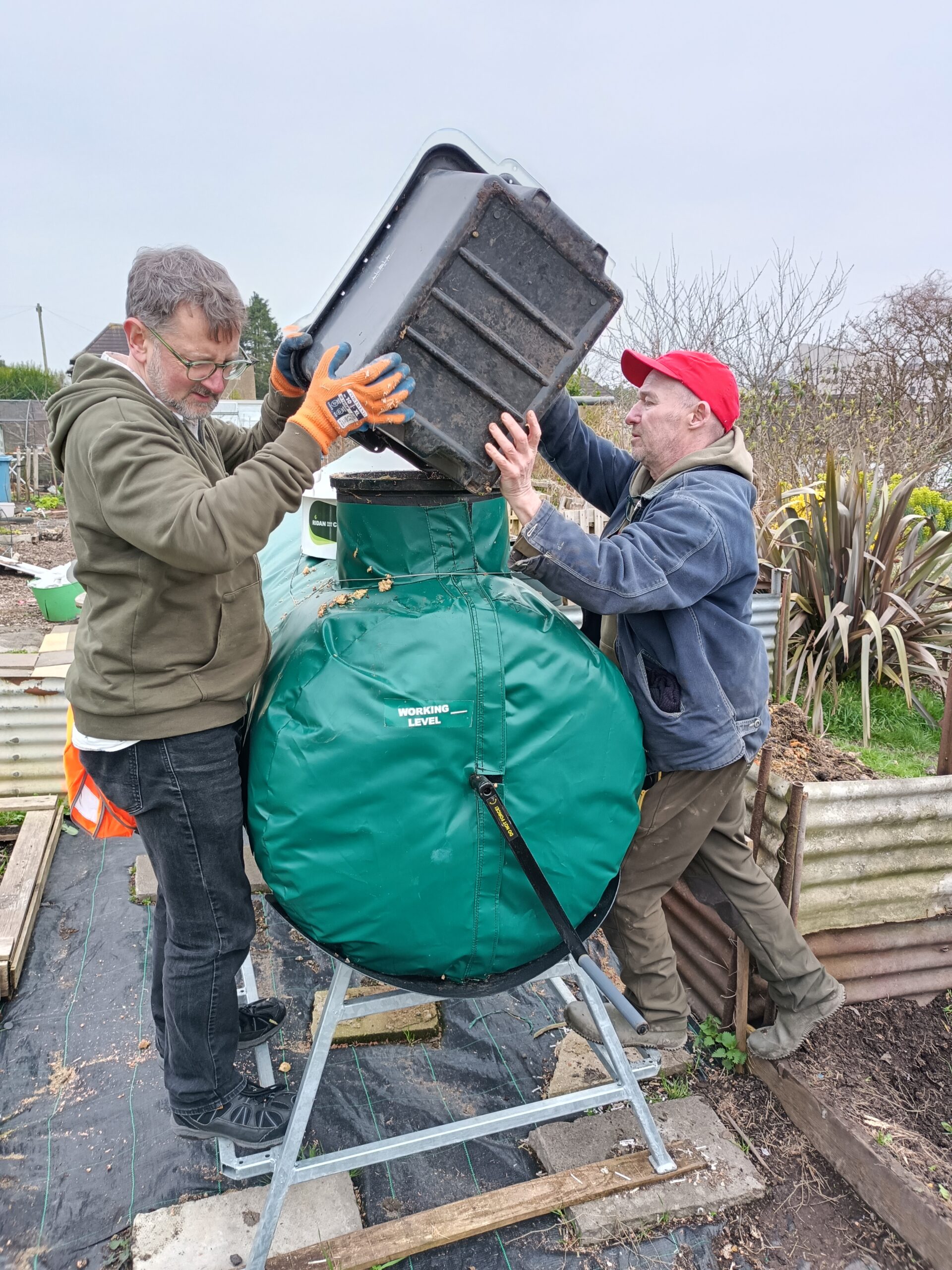
Nurture Through Nature partner with FareShare Sussex & Surrey to compost food that can’t be redistributed through their Ridan. The compost created on site is used to boost the growth of fruit & veg, which will then help supply FareShare Sussex and Surrey, creating a circular economy.
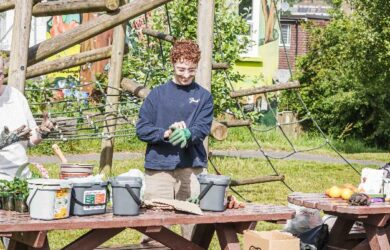
Moulsecoomb Forest Garden connects people of all ages and abilities with gardening, food, and nature. They provide qualifications and volunteering opportunities in composting, cooking and garden skills to those marginalised from mainstream opportunities, including young people in care and people with learning disabilities.
Old Boat Corner Community Association are a ‘beacon’ project for the ‘Communities Make Compost’ workstream, specialising in Joraform composters as well as having an onsite charity shop, community pantry & fridge and kitchen, which turns food that would otherwise go to waste into delicious and nutritious meals for their community.
Real Junk Food Project are co-leads on this project. Their Fitzherbert Community Hub is a beacon venue, with an onsite composter. RJFP also led the Eat Smart Schools project, working with schools to reduce their food waste and to educate future generations with confidence in food use. They also host after-school clubs with Brighton Table Tennis Club.
Sussex Community Development Association (SCDA) has a community centre in Newhaven, where they run workshops and groups on food and packaging waste prevention, prepare culturally appropriate meals from surplus for their community supermarket, and operate an on-site composter.
The Bevy is a community-run pub in the heart of Moulsecoomb, East Brighton. They are a ‘beacon’ for our ‘Communities Make Compost’ workstream, specialising in creating compost for their garden with their Ridan composter.
Whitehawk Community Food Project collect food waste from across the city to turn into compost with their Ridan on site in East Brighton. They are reducing the miles travelled to make compost and using the amazing quality compost on their volunteer-led food growing site and community garden.
Find out more about food waste:
The National Lottery Climate Action Fund supports community-led climate projects around the UK, with a particular focus on engaging new audiences who aren’t currently engaged in climate action. The project aims to use stories and creative approaches to respond to climate change, and to tell new narratives to promote behaviour change.