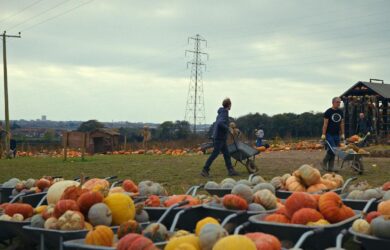
England spends an estimated £4.9 billion a year on public-sector food and catering. What if every meal bought with public money helped build a healthier, fairer and more sustainable food system? Is it time to ‘turnip’ the pressure on public food buyers?
Schools, hospitals, care homes and other public institutions serve billions of meals. Their buying choices shape what is grown, how it is produced and which foods become affordable and accessible. Used well, this purchasing power can support local jobs, improve health, strengthen regional supply chains and reward farming that protects soil, water and wildlife.
The Government has set an ambition for half of public-sector food spending to go on locally produced food or products certified to higher environmental standards. Its reform of the School Food Standards adds urgency to that goal.
In March, selected English councils—including Brighton & Hove City Council—were awarded £155,000 each to improve public food purchasing, increase healthier and more sustainable meals, and help smaller local suppliers reach public institutions. This is a welcome boost to a key priority in Brighton & Hove’s Food Strategy: to transform catering and procurement and revitalise local food chains.
Change will not be simple. Many contracts are outsourced to multinational caterers such as Compass Group and Sodexo. Their scale brings purchasing power and consistency, but centralised systems, established supply chains and contractual commitments can restrict local flexibility and make it harder for smaller sustainable producers to compete.
While developing the city’s Food Strategy, local residents told me they wanted stronger local procurement because small changes here can have a big impact. School students complained about the unhealthy “grab and go” lunch options, the amount of food waste and single-use plastic, while hospital patients rightly expect nutritious meals to support health and recovery.
Food Strategy work beginning to bear fruit
But there are encouraging signs. In recent years I have connected local food businesses with caterers and they have visited local farms to meet the growers and see the quality of seasonal produce. Those connections are beginning to bear fruit (quite literally!). Nursery caterer, Littletums, and Chartwells at The University of Sussex now source a changing range of seasonal fruit and vegetables from Sussex and neighbouring areas.
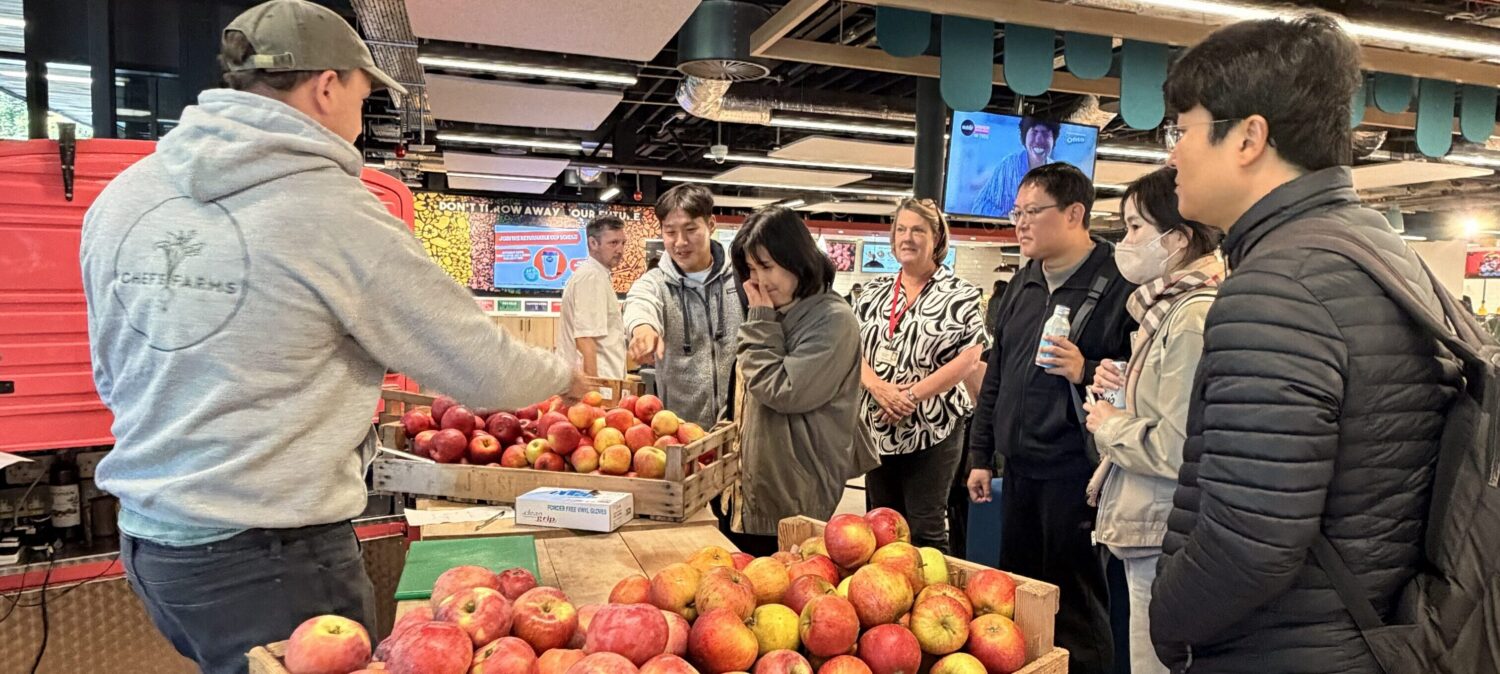
At the University of Sussex, Apple of the Week (pictured above) introduces students to some of the 56 Sussex-grown varieties. The affordable daily Sussex Saver meal subtly nudges cost-savvy students to the plant-based option and now incorporates vegetables from local farms.
For its meat option, the university replaced beef with local, sustainably managed wild venison. Venison is lean, healthy and does not rely on imported animal feed. Responsible deer management can also reduce excessive browsing, allowing young trees and woodland vegetation to recover in one of the world’s most nature-depleted countries.
The university’s vegetarian café, The Veg Bowl, has increased take-up of plant-based meals and grows herbs and greens in its on-site hydroponic farm. Kale yeah! Menus use carbon labels, and salmon has been replaced with alternatives informed by the Good Fish Guide.
Fresh, seasonal food has been well received, while students are learning more about where their meals come from. This work helped Chartwells and the University of Sussex win a well-deserved Foodservice Catey award in 2026.
Planting the seeds for lasting change
Public food buying may happen behind the scenes, but its impact reaches far beyond the kitchen. Brighton & Hove can use its purchasing power to improve everyday meals, set clearer standards, support local producers and build a healthier, more resilient food system. The challenge now is to turn promising pilots into normal practice across contracts, menus and supply chains.
Useful resources for public-sector caterers
- Sussex in Season and Sussex Food & Drink — local seasonal produce and supplier connections.
- Defra’s public-sector food buying toolkit — balanced scorecard, guidance and case studies for buyers and suppliers.
- Food for Life Served Here — practical support and independent certification for healthier, sustainable catering.
- WRAP’s Guardians of Grub — free tools to measure and reduce food waste.