In April last year our Land Use Plus Team released The Local Meat Report which highlighted the importance of Sussex’s last remaining publicly accessible small abattoir to our local environment, economy and animal welfare. 18 months on, we ask if anything has changed.
What did the report find
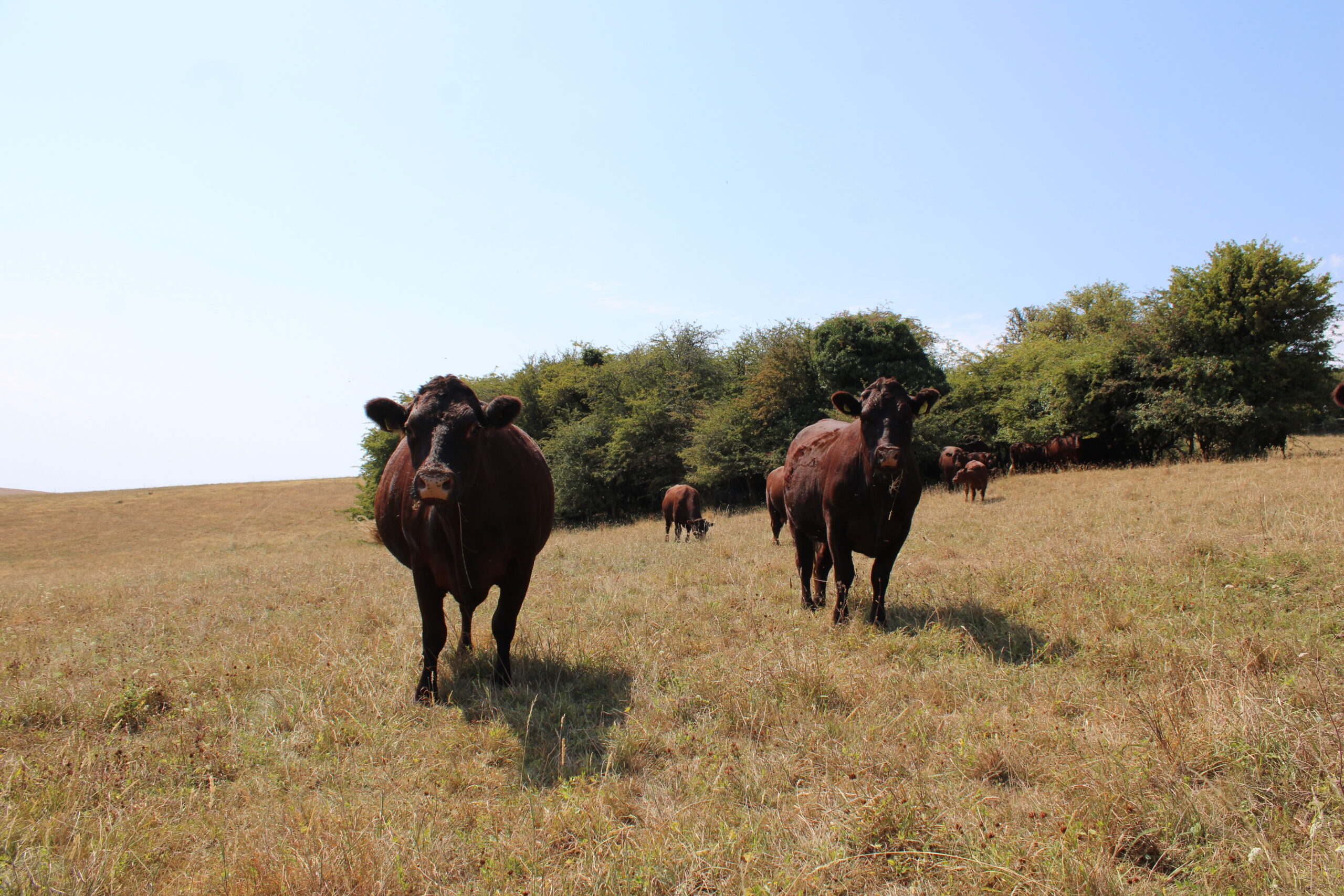
Local abattoirs are far more than a piece of rural infrastructure, without them we cannot have a food system which supports biodiversity, animal welfare and local economies. Grazing livestock play a critical role in maintaining the South Downs’ internationally important chalk grassland, preserving and improving a habitat which is among the most species-rich in the world. Several regional abattoirs have closed in recent years, forcing farmers who previously concentrated on smaller herds of native breeds to intensify farming methods and transport animals further afield for slaughter, often without the opportunity to get the carcasses back. This means that local meat is becoming increasingly difficult to come by, food miles are increasing and farmers are less able to communicate their farming methods through quality meat.
Despite growing consumer demand for high-quality local food, the region’s remaining small-scale facilities are under significant pressure. Downland Traditional Meats (DTM) is the last remaining abattoir in Sussex and is a critical but vulnerable link in the local food chain. An NFU survey gathered data from farmers across the South of England, the data shows that abattoir closures are already leading to higher prices, reduced livestock numbers and strain on rural businesses. Restaurants, farms and consumers continue to value meat that is produced, processed and sold locally. Urgent investment and collaboration between local authorities, farmers and other partners is needed to secure the future of local meat processing. Without action, Sussex remains at ever increasing risk of losing a key asset that underpins sustainable farming, food resilience and animal welfare across the region.
To read the original report in full, click here.

What has changed?
Unfortunately, very little. Horsham District Council were successful in gaining funding to deliver much needed improvements to the DTM site. Currently, processes are very manual, putting additional strain on an already overwhelmed team. This work is yet to be delivered due to various delays, including issues with quotes and drainage which remains to be addressed by the landlord.
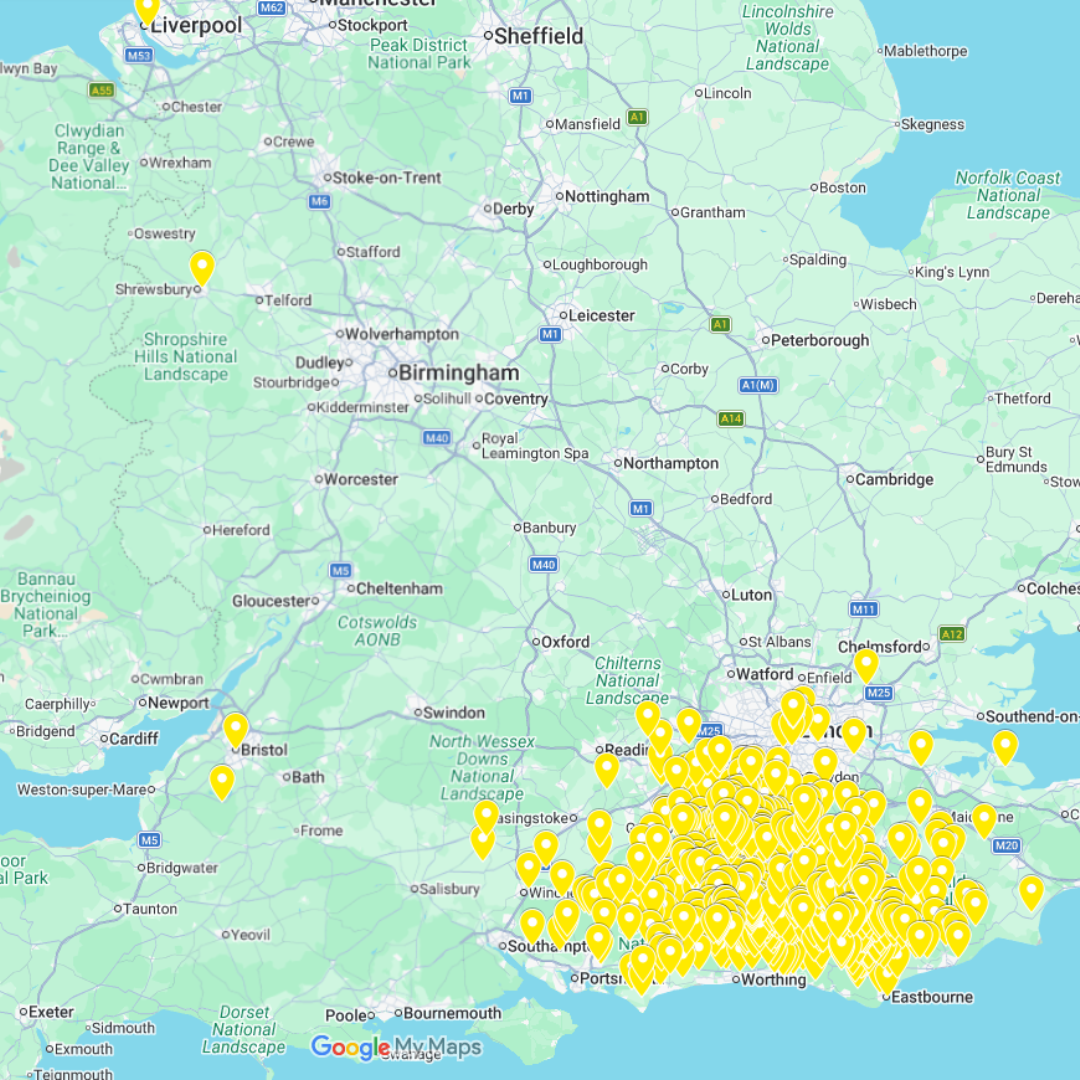
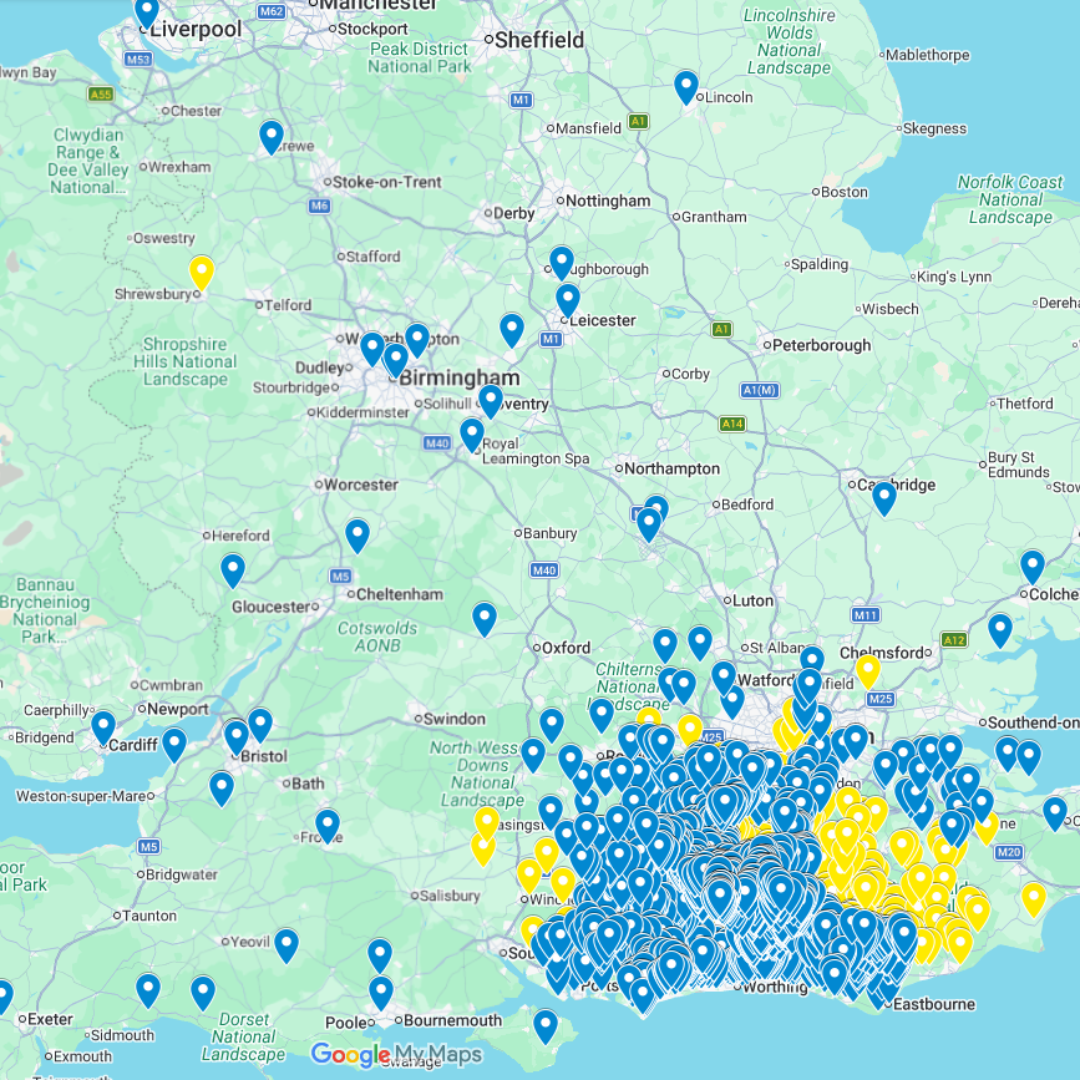
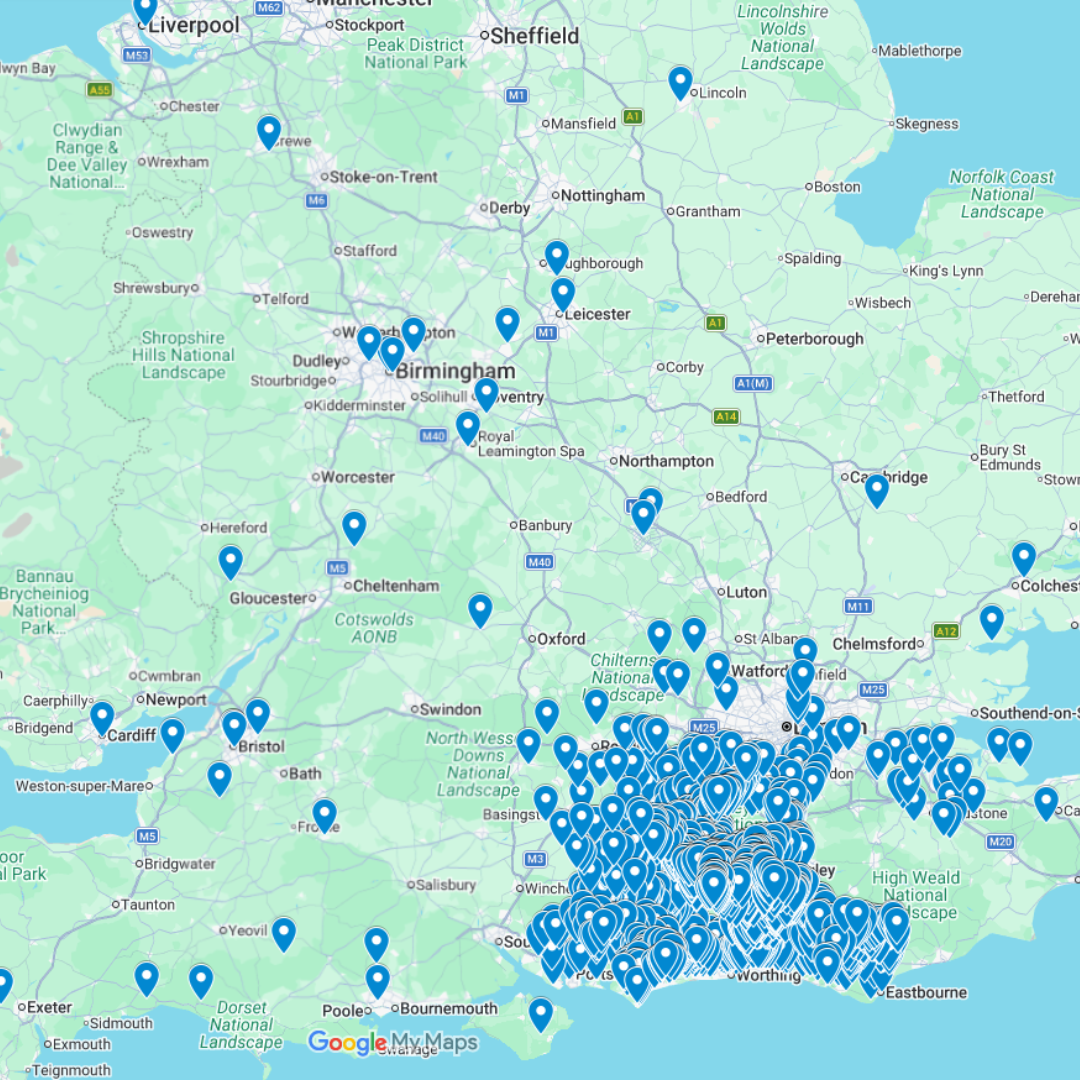
DTM have, however, continued to experience significantly increased demand for their services. As show in the images below. In the three months to April 25 (yellow), DTM worked with just under 600 businesses. In the equivalent period to April 26 (blue), this skyrocketed to 2,000. This explosion in demand shows how the lack of provision of abattoirs in the Southeast of England continues to be a serious issue.
Beyond demand, continuing difficulties with the Food Standards Agency, including the recent abattoir charges scandal, are putting stress on a faltering industry. Small abattoirs across the UK report that being legislated in the same manner as large abattoirs, which have money and resources not available to these smaller businesses, is impractical and unnecessary.
How can you help?
We continue to work with our colleagues at Wealden Food Partnership, local authorities, and representatives from across rural Sussex to support a viable local meat system through the Southeast Abattoir Working Group, but we need your support. The national Abattoir Sector Group is writing to Andy Burnham in support of small abattoirs, please contact your MP and tell them why small abattoirs matter to you.
Here are some key points to include:
Better for the Environment
- Small-scale abattoirs support local regenerative food systems which often include animals better suited to our landscape (smaller, native breeds), but which do not meet the requirements of a standardised wholesale market
- Native breed animals often make excellent conservation graziers. The UK has lost 97% of its grasslands since the Second World War, and 80% of its chalk grasslands. Grasslands are a carbon sink and haven for biodiversity which are best maintained and restored by grazing
Supporting Local Economies
- Without small abattoirs, farmers can struggle to sell their meat directly to the public as most large abattoirs do not offer a kill and return service. This removes a key way in which they can build relationships with their local community and diversify their offering in the form of farm shops etc
- Many farmers would have to reduce their herd size or perhaps even stop farming entirely if they were unable to access a local abattoir. This leads to the death of family farming as land is brought up by “super farms” who often don’t have the same sense of guardianship over the land
- The loss of small abattoirs also affects associated professions such as butchers, delivery drivers, and vets
- Restaurants who value quality, sustainable meat with a story will find it harder to source it, impacting their sales and local food tourism
- Opportunities for local level public procurement of meat are also removed if there is no readily available supply
Animal Welfare
- As fewer abattoirs are available, animals have to undergo ever increasing journeys to slaughter – causing unnecessary suffering and upping the carbon costs of British meat
Food Security
- National and local food security is also impacted by the loss of local food infrastructure, leading to offshoring of food production and a more vulnerable food system
Within Sussex, there is support for a new or improved local abattoir from Local Authorities and nature organisations as it meets or supports several biodiversity and local economy aims. We need MPs to support changes to planning and regulation to make it easier (not harder) for small abattoirs to operate. Grants and subsidies are also vital to help local develop and protect local food infrastructure.