Setting the Scene: Food as a Solution
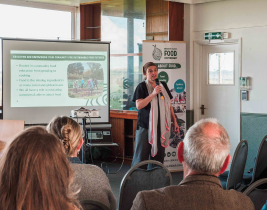
The conference opened with an introduction from Vic Borrill, CEO of Brighton & Hove Food Partnership, who reflected on the journey of the conference since it first began. This third year focused on how every person in the room should see themselves as a food educator, encouraging learning through experience and connection, for a better local future for food.
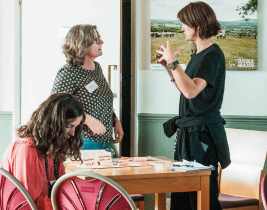
To link the conference ideas with action, everyone was invited to write a pledge reflecting on their personal or professional role in strengthening the local food system, and to share one message they would want the new Mayor to consider. These pledges will help inform future conversations about local food policy and community priorities.
Connecting People and Nature
Project partners from The Living Coast UNESCO Biosphere kicked off the day by showing how working together can help build a healthier relationship between people and the natural world. Their work focuses on living more sustainably by connecting our landscapes, communities, and the ecosystems that support them.
The Living Coast Biosphere in Sussex has recently had its designation renewed by the United Nations Educational, Scientific and Cultural Organisation (UNESCO), now reaching over 550,000 Sussex residents. It was a great reminder that food starts with nature and has the power to bring people, places, and the even the planet closer together.
A Taste of Local Innovation: The ‘Tasting Menu’ of Community Projects
The morning continued with a “tasting menu” of short presentations, each showcasing an inspiring community project rooted in food and place.
Regi Miesle from the Arun and Chichester Food Partnership opened the session by sharing insights from their Local Food Plan pilot, a collaborative project that brings together key stakeholders to develop a regional approach to strengthening the local food sector. The aim is to scale up local food production and maximise its benefits across the wider Sussex and Hampshire South Downs area, and involves working closely with farmers, growers and agricultural colleges.
Workshops and events revealed many barriers within the local food economy, including transport, labour shortages, and lack of routes to market. One vision is to create free training opportunities and paid apprenticeships to support secure, skilled employment in local food production, which the industry desperately needs.
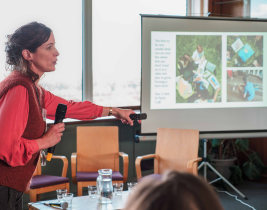
Next, Hannah Tedman from Brighton & Hove City Council introduced the Farm School Project, which brings children to local farms to learn about food growing, sustainability, and conservation. Jane Carnaghan from Standean Farm, one of the participating farmers, spoke passionately about the impact of welcoming pupils onto her land.
As she pointed out her farm from the window of the Food Partnership Clubhouse, she painted a vivid picture of the rolling hills and fields where children get the chance to experience farming first-hand. She described how transformative it is for them to step outside the classroom and into the countryside, to see, smell, and touch the food systems that sustain us. “They’re smelling and seeing it,” she said, reflecting on the excitement and curiosity the visits inspire. Jane credited Hannah’s ongoing support for giving farmers the confidence to open their gates, connect with schools, and share their work, helping the next generation understand not only where food comes from, but also the importance of caring for the land that produces it.
Finally, Margaretta Jolly and colleagues from the University of Sussex presented their project, Sussex Retold: Sounds, Sites, Stories. The project explores creative and inclusive ways of retelling the stories that shape our natural, cultural, and regional heritage. Sam Carroll shared her work recording the voices of local farmers and land workers, capturing their reflections on lessons from the past and their hopes for the future. Clips from interviews with Sussex farmers Annie Brown and Mike Tristam offered a moving glimpse into the changing realities of farming life. Perpetua Kirby also introduced Farming Futures, an interactive and educational game that challenges players to design their own farm and respond to real-world environmental and economic pressures. By mirroring the real decisions farmers make, the game offers a fun and engaging way to explore resilience, sustainability, and the future of farming.
What Would You Tell the Mayor? Workshop on Sussex Food Systems
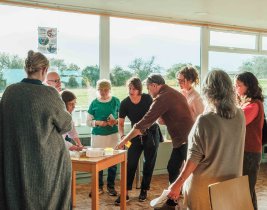
After a short break, attendees took part in an interactive workshop exploring “What would you tell the mayor?” A question designed to spark conversation about how local food systems could thrive under upcoming devolution, with a unitary mayor set to be elected in Spring next year.
The workshop began with an introduction from Regi about the new Sussex Food Partnerships Alliance, a network of local food partnerships working collectively to make Sussex a beacon of sustainable, community-led food policy.
Participants divided into themed groups; skills and education, infrastructure, and climate change and habitat recovery and discussed what opportunities could come from having a united front and working on a larger scale. and partnerships would make the biggest difference across the county.
- The climate group called for stronger investment in local food initiatives that restore biodiversity, promoting what one participant described as “glocalisation” – thinking globally, but acting locally.
- The infrastructure group explored how to make seasonal, local food more accessible and affordable for everyone, embedding seasonality into daily life.
- The skills and education group proposed a funded education plan for ages 14 to 25 and adults, offering accessible learning opportunities such as short placements, apprenticeships, and accredited courses focused on agroecology, regenerative farming, and sustainable food production.
The discussion emphasised that local action could have national impact and that investing in skills and infrastructure now will shape the resilience of our food systems for years to come.
From Field to Fork: Our Role as Food System Educators
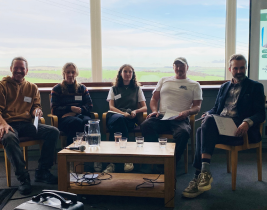
The final session of the day was a panel discussion chaired by Councillor Tim Rowkins, titled “From Field to Fork: Our Role as Food System Educators.” The panel featured Pete Dollimore from the CSA Network UK, Jo Glazebrook from The Community Kitchen, Georgina Cockett from Sussex Grazed, and Ben Marks from The Deer Project, each bringing a unique perspective on how to connect people to food, farming, and learning.
Pete began by highlighting how Community Supported Agriculture (CSA) helps build real connections between growers and eaters. Even small groups, he said, can make a big difference when people learn about seasonality and feel part of something. He also noted that buying local food can often matter more than choosing organic, as it directly supports the community. Growing not only introduces but supports young people to try the food that they grew themselves, its results in kids saying, ‘its amazing!’
Georgina explained that Sussex Grazed attracts a wide range of customers, each at different stages of understanding and engagement with the overall project and the products of grass-fed and wild-shot meat. She highlighted that the project’s real strength lies in storytelling and events like the Sussex Grazed Supper Club, where open, nuanced conversations about sustainable meat encourage people to ‘tap into their curiosity’ and think differently about their food and where it comes from.
Ben then spoke about the need for open discussions around meat and wildlife management. He explained that rising deer numbers now estimated at around two million in the UK. He was honest about how they are damaging habitats and threatening nature recovery. Not only this they are costing the economy up to £50 million a year in material damage and personal injury. His work focuses on honest, personal and non-judgemental conversations to help shift public perceptions, including always giving free tasters out at events to take away the fear of buying something that can be alien to them.
Finally, Jo shared how The Community Kitchen provides an inclusive space for learning through food. Starting with simple, friendly questions helps build confidence and curiosity, creating an environment where people can experiment, make mistakes, and learn without judgement.
A lively Q&A followed, touching on topics from access to local food to seasonality and kindness in education. The speakers agreed that curiosity and connection are the foundations of change. The conversation concluded, with a positive discussion about how to get people, perhaps outside of the room, more excited about food and the role that local food should play in this. Food should be such a joy!

Closing Reflections: Collaboration and Celebration
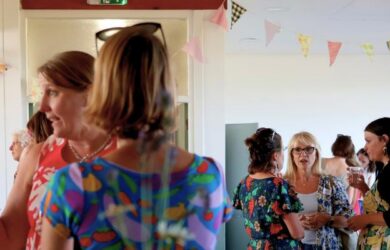
The conference ended with a local food buffet prepared by Sussex Surplus, featuring produce from High Weald Dairy, Curing Rebels, and Sussex Grazed. Refreshments from Skylark Coffee, Bush Barn Farm and Brighton Permaculture Trust
As conversations flowed and new collaborations were sparked, one message echoed throughout the room: food connects everything. It connects people to land, ideas to action, and communities to each other.
Through partnership, creativity, and shared learning, this year’s conference reminded everyone that building a better food future isn’t just about what we eat, it’s about how we grow, share, and inspire others.
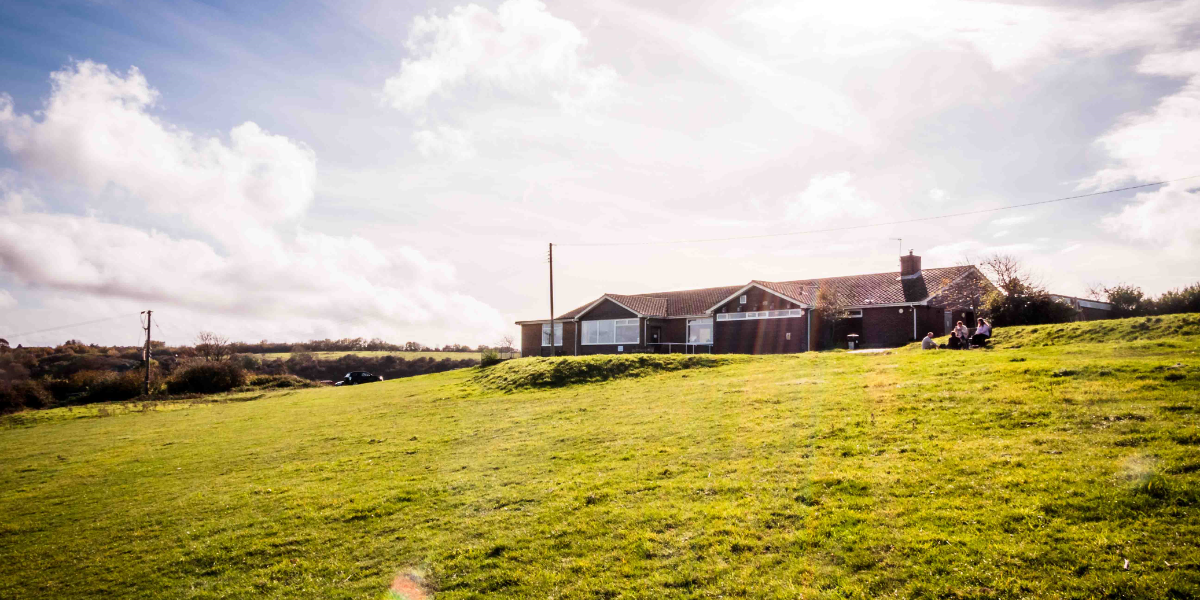
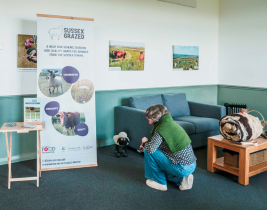
The conference was hosted in our Food Partnership Clubhouse, in the Wilding Waterhall site. This inspiring space with a spectacular view of the South Downs is available to hire.
This year’s annual Land Use Plus Food and Farming Conference brought together farmers, educators, policymakers, and community food leaders from across Sussex to explore one central theme: Educating and empowering your community for sustainable food futures. The conference invited attendees to recognise and think of themselves as educators, whether that’s by teaching, growing, cooking, or simply sharing food and stories and to acknowledge we are all educators in our own communities