At the end of 2024, the Land Use Plus project began working with the University of Sussex on their Sussex Retold project. The project works to highlight and retell stories linked to Sussex’s cultural past, so how does this link to farming and nature recovery?
Sussex has a strong history of farming, in fact, it is what created (and contributed to the loss of) our most famous landscape; the Chalk Grassland of the Eastern Downs. Following around 4,000 years of constant sheep and, latterly, cattle grazing, the Second World War led to a sharp change in how the Downs were managed. Land which had historically been used for grazing was ploughed up to plant crops and the less accessible stretches were enriched with man-made fertilisers or replanted with single species grasses to increase yield. Animal breeds changed too, often requiring supplemental feeding to fatten them up for market. It’s essential that we understand that this was not done through greed on the farmers part, but by funding and pressure from government. Farming, like any other industry must respond to market pressures.
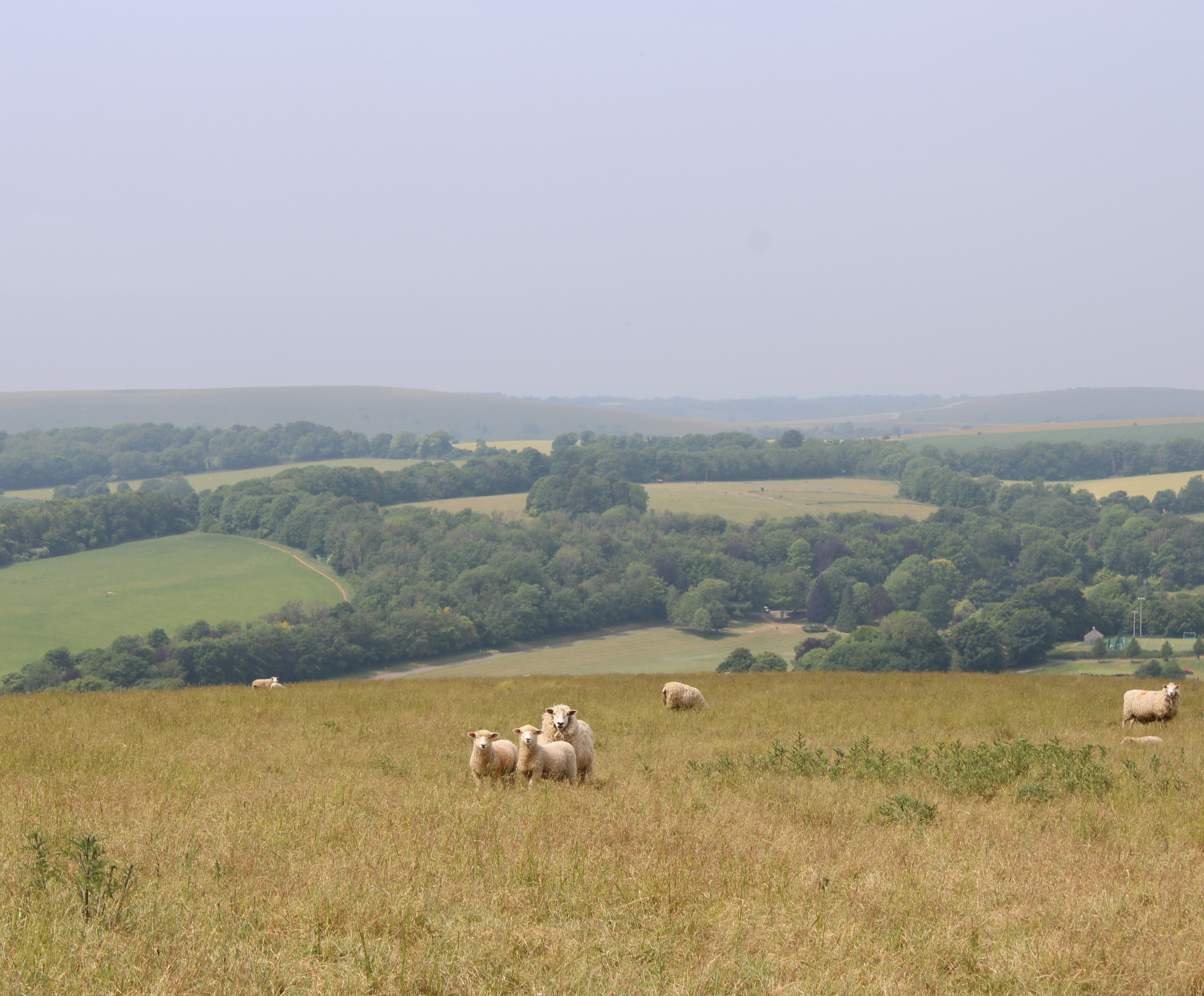
Whilst the Second World War almost feels like ancient history, the children of the farmers who worked through this huge change in agricultural practice are still working the land today. The Land Use Plus project is interested in finding out how traditional farming techniques shaped and preserved our landscape, what we can learn from them and how they might be incorporated with modern technology and techniques to protect and restore habitats.
What did we do?
To capture this history and discover where farmers see the future of farming going, Sussex Retold’s Dr Sam Carroll conducted a series of oral history interviews with 9 farmers and land workers. It was essential to us that we heard farmers’ reflections in their own words and, importantly, in their own spaces. Whilst we often engage with farmers at Land Use Plus and other external events, we rarely get to hear from them on their own farm, in the landscapes they care for. Questions focused on the following topics:
- Location, history and Downland futures
- Cultural heritage in and through farming
- Futures and sustainability
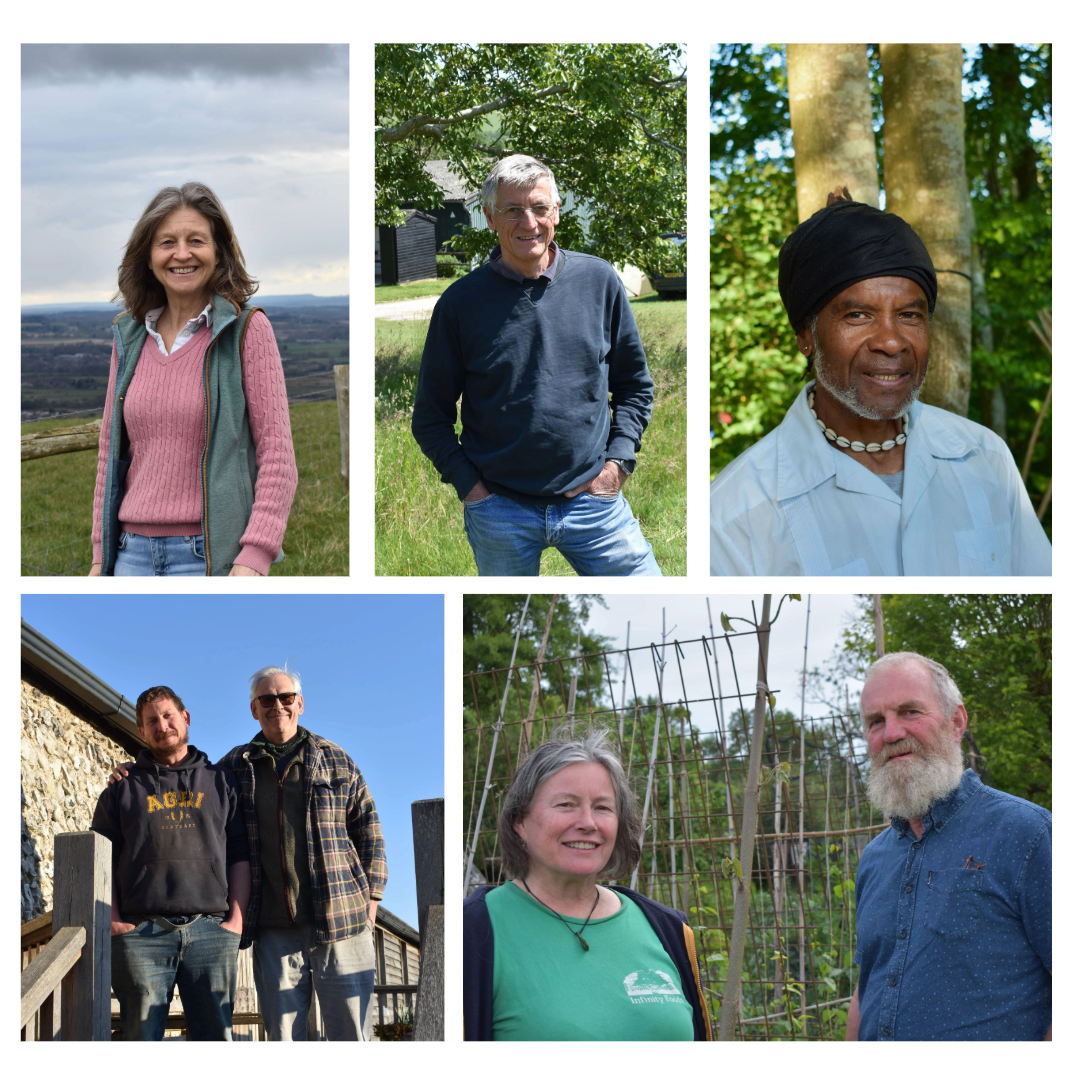
Here is a full list of interviewees:
The interviewees:
- Annie Brown, Farmer at Truleigh Hill
- Charlie Cain, National Trust Ranger
- David Robinson, Farmer at Northease Farm
- David Taylor, Farmer at Housedean Farm
- Mark Heritage, Farm Manager at Sompting Estate
- Mike Tristram, Director at Sompting Estate
- Petra Ashby, family of farmers
- Rafael Berrio, Director of Future Roots
Pictured, top row: Annie Brown, David Taylor, Rafael Berrio
Bottom row: Mark Heritage, Mike Tristram, Petra Ashby, Charlie Cain
Here are some of our favourite reflections:
‘The cattle market was down by the railway station, it’s all houses now, but it had a siding into it for stock to come in and out on the trains and drove them in on foot into Lewes. My father was on a horse with his hunting crop, and they had to run as fast as the cattle went, and if they didn’t get fast enough, they’d got a crop round the rear as well.’ David Robinson, Farmer
‘When I was a kid, I can remember really strongly hop picking time being in September, just as you were going back to school. All the family, men and women in the village, lots of people, my dad’s cousins used to come. We didn’t have a big farm with people coming down from London; the hop picking families. It wasn’t big enough for that, our farm, so it would just be lots of women from the village or other relations used to come and pitch in. For two weeks it was really, really long days with the tractors going down into the hop field. Traditionally, the women on the machines were actually picking all the leaves out. My granddad and then latterly, as he aged, my uncle pressed the hops. The whole house smelling of hops was amazing and I still get really nostalgic when I smell fresh hops. It was lovely.’ Petra Ashby
‘I think the biggest problem is that food is too cheap. I mean, I’ve known farming for forty years, cereals aren’t selling for a lot more than they were forty years ago. The cost of everything has gone up. But the cost that the farmer gets for a tonne of corn is not a lot more than it was forty years ago. Milk sells… you go in a supermarket and you can pay as much for a bottle of water as you do for a bottle of milk. There is something fundamentally flawed in a society that you will pay more for a bottle of water than you will for a bottle of milk.’ Charlie Cain, Ranger
Alongside these valuable oral histories, Sam gathered a collection of images, highlighted alongside a range of quotes on the Sussex Traditions website, which the participants shared to illustrate their stories.
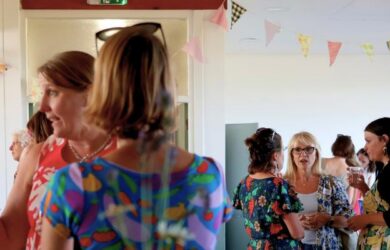
We were delighted to host an installation of these oral histories at the Land Use Plus Food and Farming Conference in October ‘25. We set up interactive listening areas where delegates could hear from farmers on specific themes. There was a real buzz in the air as wellies were lifted to ears and stories of sheep were found playing from fleeces. For us, an element of play and whimsy really helped people to engage with the messages shared.
Unearthing hidden histories
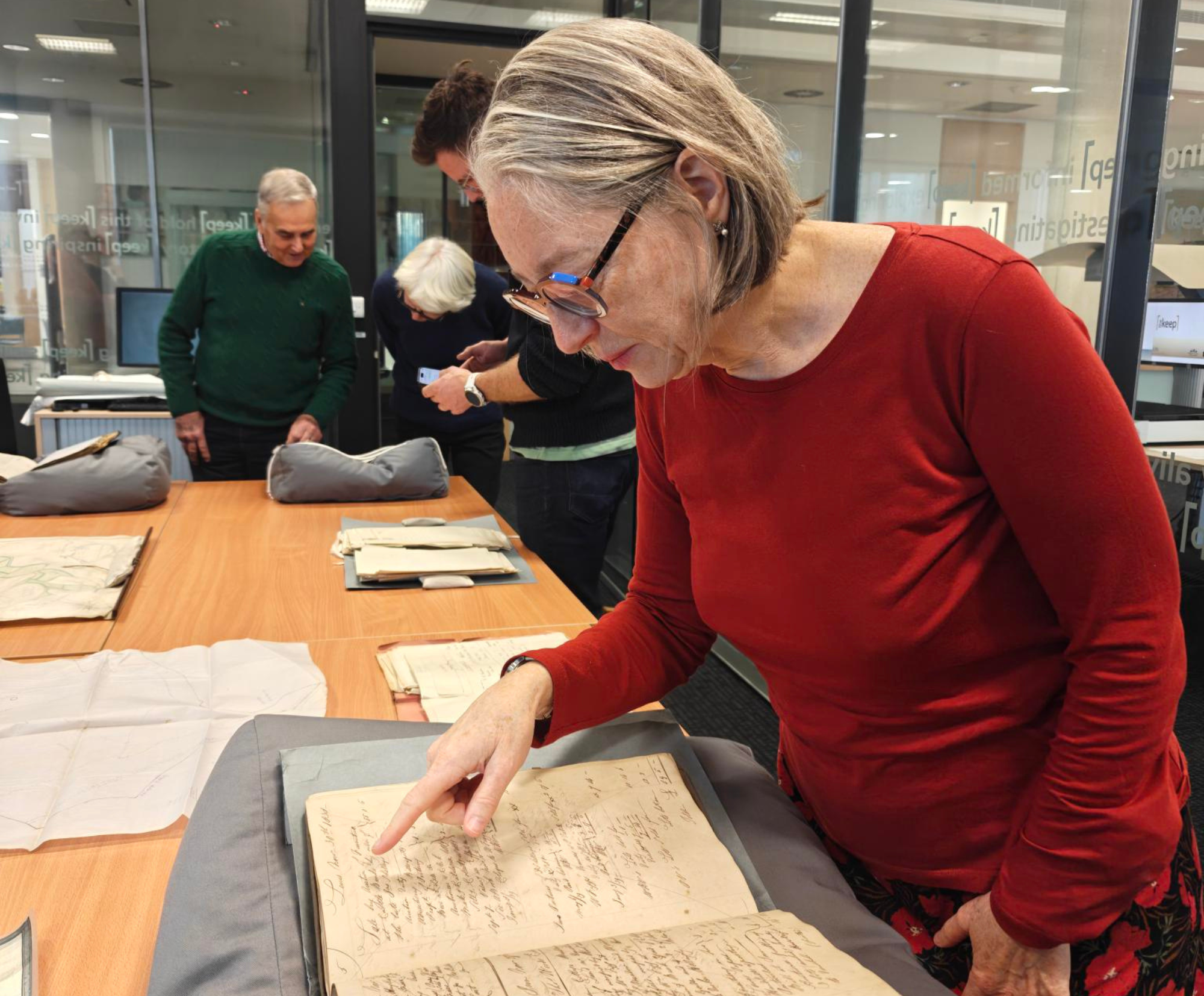
Whilst speaking to this group, Sam found that there was a strong desire to understand the history of the land, even though many grew up where they now farm, they weren’t engaged in what was happening at the time. A visit to The Keep was organised and we welcomed 8 farmers to dive into the stories and old maps of their farms. A particularly special moment was where father and son David and Nick Taylor found letters written by David’s father. It was interesting to note that a map from the 1600s listed many of the same last names we see farming the land today.
Farming Futures Game
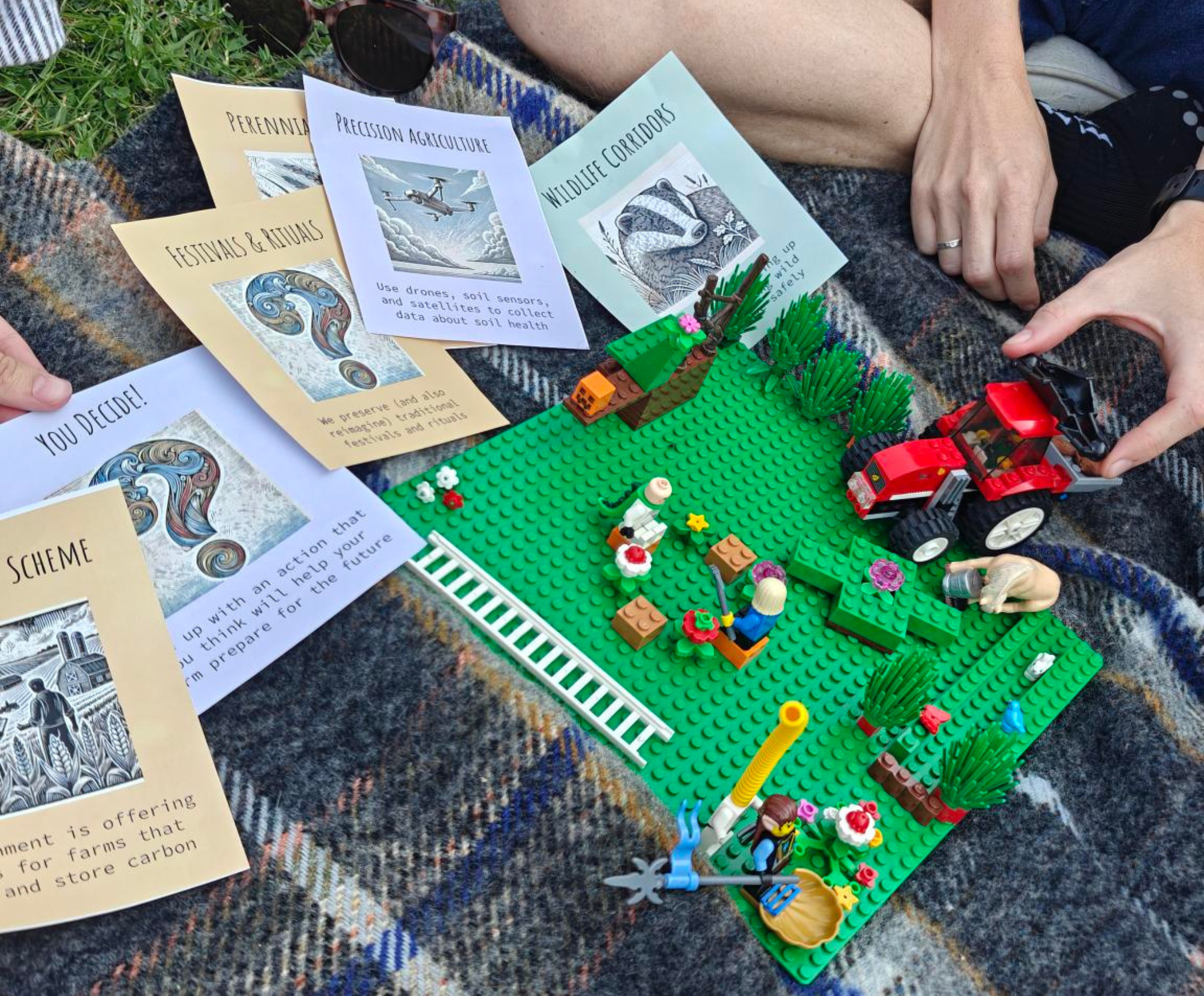
Another interesting strand of this work was the opportunity to play the Farming Futures Game with both Brighton and Hove Food Partnership staff and farmers. The game encourages learning with uncertainty, giving players the opportunity to imagine a farm and then bid for infrastructure and values. As the game progresses, a series of unexpected events and shocks occur, and players must use what is on their farm to survive. This approach to exploring the world of farming was a fascinating one, highlighting what an unpredictable industry it is and how affected it can be by seemingly unrelated events. From a lay person’s point of view, it is an excellent way to playfully explore the challenges of farming. A particularly interesting phenomenon was how rival teams eventually started working together, choosing to join forces against negative forces, or even offering to argue for each other’s survival.
What did it teach us
Spending time listening to those who manage the land now reflecting on the past and their hopes for the future highlighted what a resilient and flexible group land workers are. They work with ever changing seasons, governments and public understanding, all driven by a love for the land and a desire to produce food. If we can support and listen to them, the possibilities for equitable farming which benefits biodiversity are almost endless.
To hear more about the Sussex Retold project, sign up to their conference happening in June.