who we are
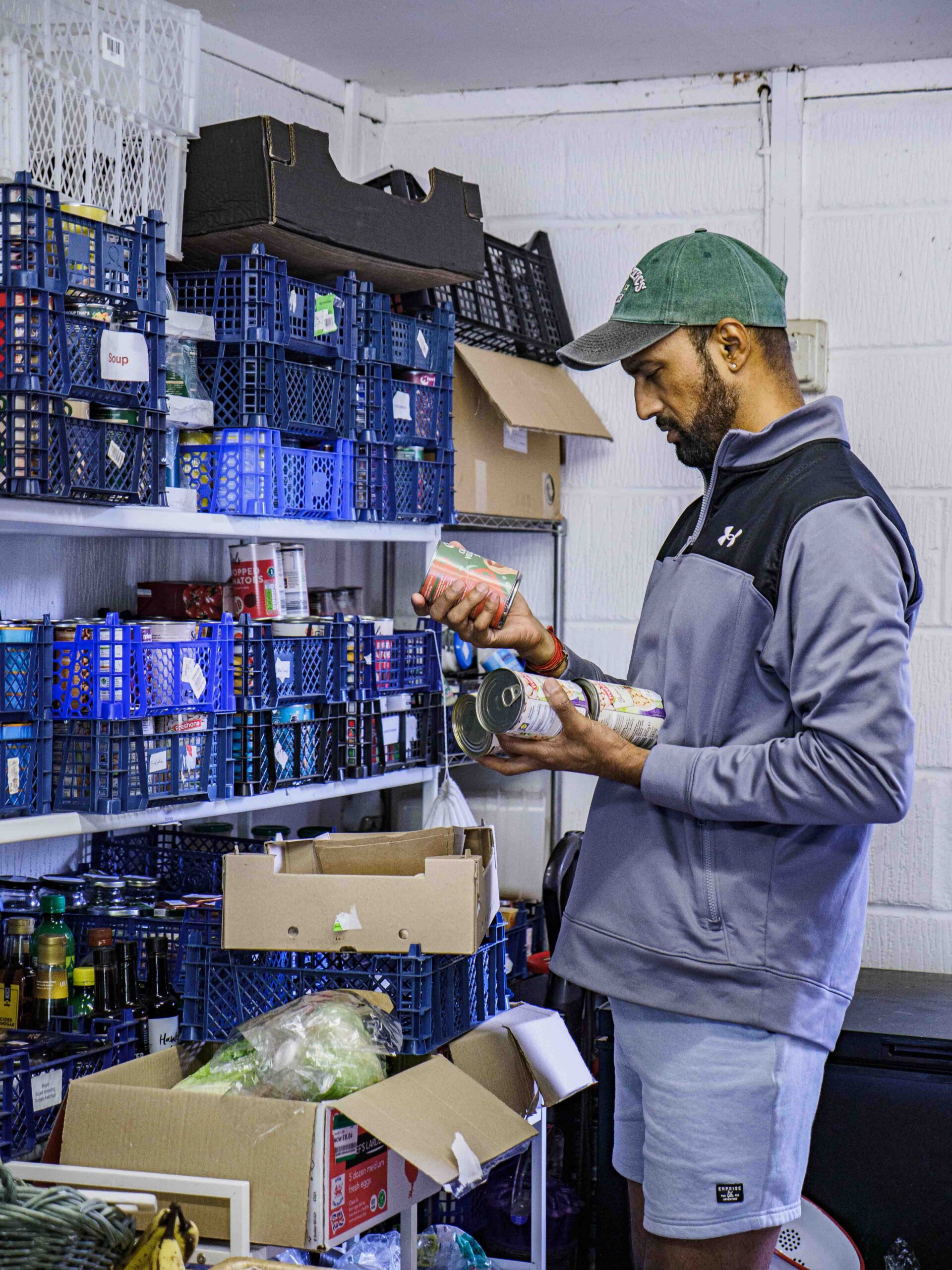
The Food Support Network (FSN, formerly the EFN) is an informal network of 60 project locations in Brighton and Hove who support people experiencing food insecurity. It’s facilitated by us, the Brighton and Hove Food Partnership, but it exists to support these hard-working and committed projects in their work. You can find out what we offer to our network under ‘joining the network’.
We work with the following types of projects:
food banks – affordable food projects – pantries – meals-on-wheels – social supermarkets – community meals – community shops – community fridges – veg box schemes
Joining the network
Benefits of joining include:
- Opportunity to join our mailing list where we share funding and opportunities
- Bi-monthly meetings of projects in the area on topics of interest
- 1-1 support
- Peer support with other projects via the mailing list and meetings
- Feeding your needs and opinions to the city council, and into national campaigns, to make real change happen
- Training opportunities
- Take part in our annual report which shares a picture of food projects in Brighton and Hove
- Get support via our annual Winter Appeal
The Affordable Food Network
We also run bi-yearly meetings for affordable food projects, social supermarkets and community shops (we call this the Affordable Food Network, but members are also encouraged to be part of the FSN).
The Surplus Food Network
Our organisation also support a Surplus Food Network of projects collecting and distributing food that might otherwise go to waste around the city. In 2025 the network saved nearly 800 tonnes of food from being wasted. The Surplus Food Network is coordinated by us Brighton & Hove Food Partnership. Membership of the network includes:
- FareShare Sussex
- Real Junk Food Project Brighton
- Sussex Homeless Support
- Sussex Gleaning Network
- UKHarvest
You can find out more about the network through watching our video.

Our objectives
- Improve and develop connections with each other, with projects supporting vulnerable people with food provision and with organisations offering advice (debt, housing, benefits etc.).
- Better communicate with residents about the issues of food waste and food poverty and what can be done to address these issues.
- Use our knowledge and experience of people working on interception and distribution and those supporting vulnerable people with food provision to inform policy and improve practices in mainstream organisations.
Anyone who works or volunteers in projects like the ones described above is welcome to join the network. You can join by emailing [email protected], with the subject line “Joining the ”. Please tell us a little bit about what you do. We aim to list all the community food projects in the city via our map.
Our meetings and training
We have published the dates and times of meetings and training sessions below for forward planning. To get location details or secure a place on a training session please make sure you are signed up to the Food Support Network mailing list.
meeting
meeting
meeting
social
afn meeting
meeting
Meeting
Setting up a community food project
If you’re considering setting up a community food project (or are in the early stages of a new project), there are a number of things you may want to consider.
Make sure there is a need
Speak to us and have a look at our map of community food projects. There are areas of the city with plenty of emergency food providers, and other areas where there’s real need. Have a look at Sustain’s guide on defining the need.
Make sure you choose the right model
And the right legal structure. You can get local help with this via the Resource Centre, who have a guide on starting a group.
Read national best practice guidelines
- The Big Issue have put together a basic guide for starting a food bank.
- Sustain have made a fantastically detailed guide on growing community food enterprises, which is especially relevant to affordable food clubs, community shops, pantries, community cafes and veg boxes.
- Feeding Britain have an Affordable Food Club toolkit, and wider best practice guides and support including regular webinars.
- The National Lottery have a food aid guide with lots of ideas
- Although it isn’t food-specific, you can get local support and information from the Resource Centre, Community Works, and Trust for Developing Communities.
Running a community food project
We also have plenty of support ideas for you on running a community food project. Feel free to contact us to talk these through.
How to get food
Community food projects get their food supplies from a range of sources, including:
FareShare Sussex and Surrey, FareShare Go, and Neighbourly.
We run a surplus food Whatsapp group where local food donations are shared out, get in touch if you’d like to be added ([email protected]).
Fareshare also offer a Venison package which is a great way to buy affordable ethical meat.
Feeding Britain have produced a list of food suppliers.
If you can buy in large quantities (minimum two pallets) have a look at the Food and Community Trust as their prices on some items better than supermarkets. Have a look at Birmingham Council’s guide on making a nutritious food package.
Health and safety
You need to register as a food business at least 28 days before you open. Make sure you read the requirements to register, including formal food safety training and setting up a Food Safety Management System (FSMS). Make sure you read up on health and food safety, including the Food Standards Agency’s guidance, See the guidance on allergy labelling for all foods produced and packed on premises, as per Natasha’s Law.
Toiletries and more
Food projects can apply to get toiletries from the Hygiene Bank, and In-kind Direct if they are a registered charity. Pelican Parcels can help with items for babies and children, from nappies to uniform. Hey Girls Period project also have a scheme and you can order wholesale from them at discount prices.
Funding and fundraising
This is often the most challenging bit! You can get support from Community Works who have a list of funders, and there’s advice on fundraising from the Resource Centre. We send out regular funding opportunities via the Google Group mailing list. East Sussex County Council offer a monthly funding newsletter. It may be useful to use data from our annual reports and other related reports, at the bottom of this page, in your funding applications.
Volunteer recruitment, support and management
Community Works offer support and a massive database of volunteering opportunities.
Organisational support
The Resource Centre offer really good equipment hire and printing. You can join the Community Works mailing list to ask questions from other organisations supporting the community in our city. TDC run regular area networking sessions for community groups.
Supporting your community
If you don’t already, consider working with advice services in Brighton and Hove to try and support your community to be more financially resilient. It may help to share with them St Richard’s low budget shopping list Aldi and low budget shopping list Asda.
Training
Here are some of the main training providers in the city, related to the kinds of training you might need for you and your teams:
- Food hygiene: Basic food hygiene training can be done online via a range of providers, we’ve used Vital Skills in the past.
- Advice First Aid: Advice First Aid is a programme designed for food projects like yours to give you the basic skills to help your community access the support they need. It’s completely free, and a fantastic programme. To find out more email [email protected].
- Safeguarding: Impact Initiatives deliver certified safeguarding training, and we can recommend more generalist trainers if you get in touch.
- First Aid and Fire Safety: Brighton Housing Trust offer a range of courses, and we also run First Aid annually, but spaces are limited.
- Mental health first aid: Grassroots Suicide Prevention run regular sessions at an approximate non-profit cost of £8 per person. We will also be running sessions on Managing Difficult Situations in 2026, and there are free online courses on Mental Health First Aid via government funding.
- Funding and fundraising: Community Works have a regular programme of training on this.
- Inclusion: If you want to ensure your project is inclusive, one of the first things you can do is self-assess via the Alliance for Dignified Food Support’s dignity toolkit.
If you have other training needs, get in touch and we can send some suggestions. We also run at least two training sessions a year with our limited budget, and welcome projects getting in touch for one-off support.
getting into the detail
We have been facilitating this network since 2012. Our work on this project is funded by Brighton and Hove City Council via the Advice and Financial Inclusion Partnership.
We publish a report each year giving a snapshot into the food support sector in Brighton and Hove, based on a survey of the 60 project locations in the network.
our 2025 report
other useful reading
Below are some reports either produced by ourselves or by partners across the city and nationally
Our reports:
- Beyond Food Banks is a report we co-created with the Network, looking at how we can collaborate and be more preventative city-wide.
- We collaborated with the Institute of Development Studies on research into grassroots organisations in Brighton and Hove delivering food to marginalised communities
- Bridging Change, who work to empower Black, Asian and minoritized ethnic groups, wrote a report looking at the food access needs of these communities. We continue to work on the actions from this report.
- We worked with the NHS to create a report looking at the experiences of people with long term health conditions and disabilities in their ability to access the food hey need to be well.
Other reports:
- Citizens Advice Brighton and Hove wrote a Cost of Living report in 2025
- National campaigners FoodRise wrote a report on food waste and supermarkets
- Priority places for food index is a useful database on food needs
- Food Ladders is an evidence-based approach to creating household and community resilience by using food to bring people together.